
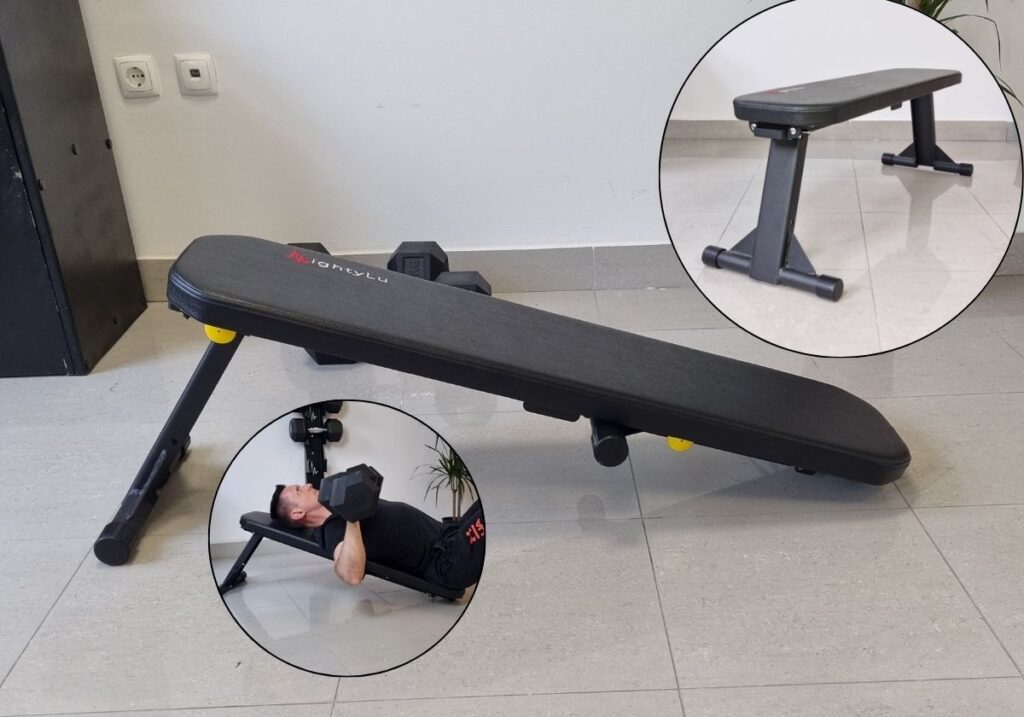
If you’re looking to turn your flat foldable weight bench, like the MightyRock, into an incline foldable weight bench without spending extra money or taking up more space, you’re in the right place. This DIY guide will show you how to modify your existing bench to perform incline presses and other upper chest exercises, all while maintaining the compactness of your home gym setup.
Key takeaways
- To turn a flat foldable bench into an incline, fold one set of legs (preferably the front) and keep the other set extended so the bench tilts.
- On a fixed flat bench without foldable legs, raise one end on stable weight plates that cannot slip.
- Before every set, check that the bench does not wobble; if it does, place weight plates or other sturdy objects under the folded end.
- Put a rubber mat or padding under the bench to protect your floor, and avoid a too-steep incline.
- Test the setup with light weights first and never exceed the bench’s weight capacity.
Why Choose a Flat Weight Bench for Your Home Gym?
Flat benches are often the go-to choice for home gyms, and for good reasons:
Stability: Flat benches typically offer more stability compared to adjustable ones.
Versatility: They allow for a wide range of exercises beyond just bench presses, such as step-ups and dumbbell rows.
Durability: With fewer moving parts, flat benches tend to last longer.
Cost-Effective: Flat benches are generally more affordable than adjustable models.
Compact Design: They are easier to store, especially foldable models like the MightyRock.
However, the main drawback is the inability to perform incline exercises, which are crucial for targeting the upper chest muscles.
How to Turn a Flat Bench into an Incline: Step by Step
Before attempting any incline setup, it’s worth understanding what actually makes a foldable bench safe and rigid in use — you can find a detailed breakdown in our article on what makes a foldable weight bench stable.
Transforming your flat foldable weight bench into an incline bench is simpler than you might think. Here’s how:
Adjust the Legs: Most foldable weight benches have collapsible legs. To create an incline, fold one set of legs (preferably the front) while keeping the other set extended. This will tilt the bench at an angle suitable for incline exercises.
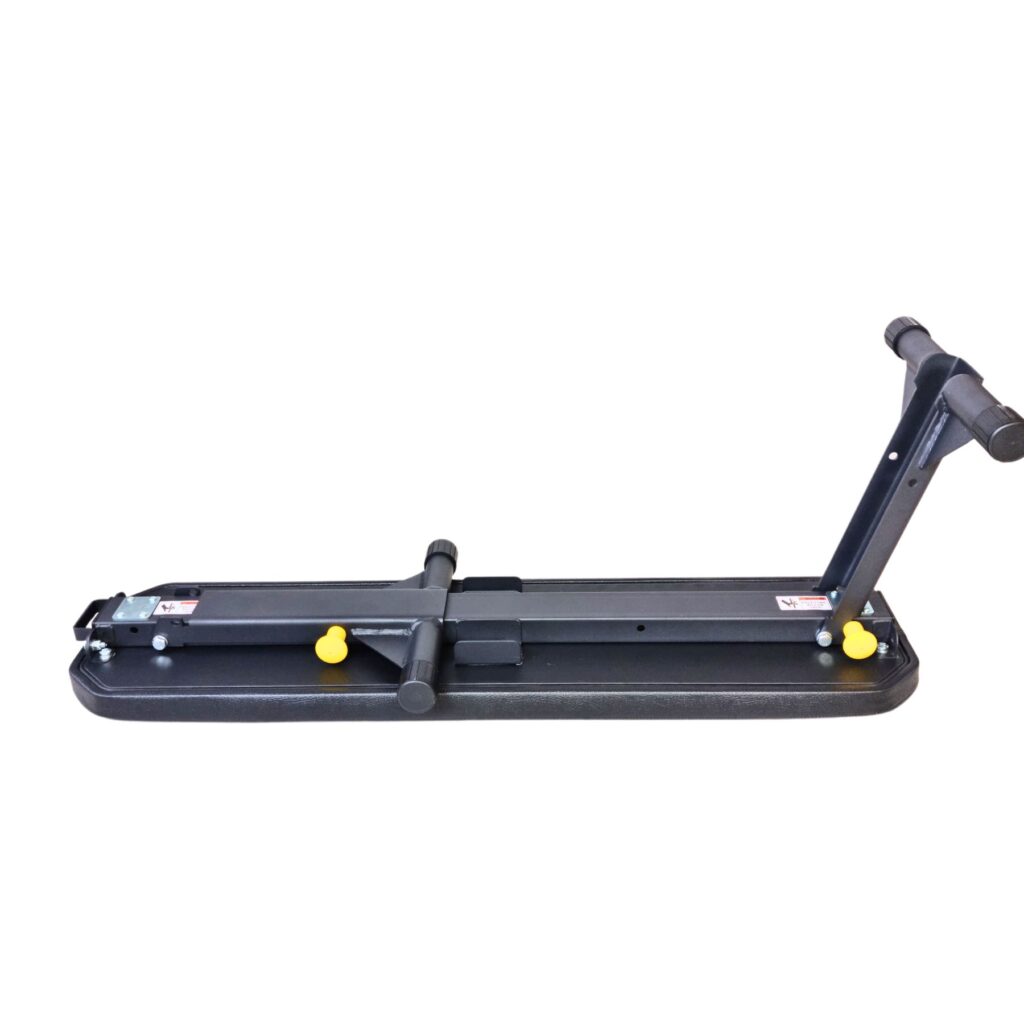
2. Ensure Stability: Before using the bench, make sure it’s stable. For benches like the MightyRock, the frame provides sufficient support even when one set of legs is folded.
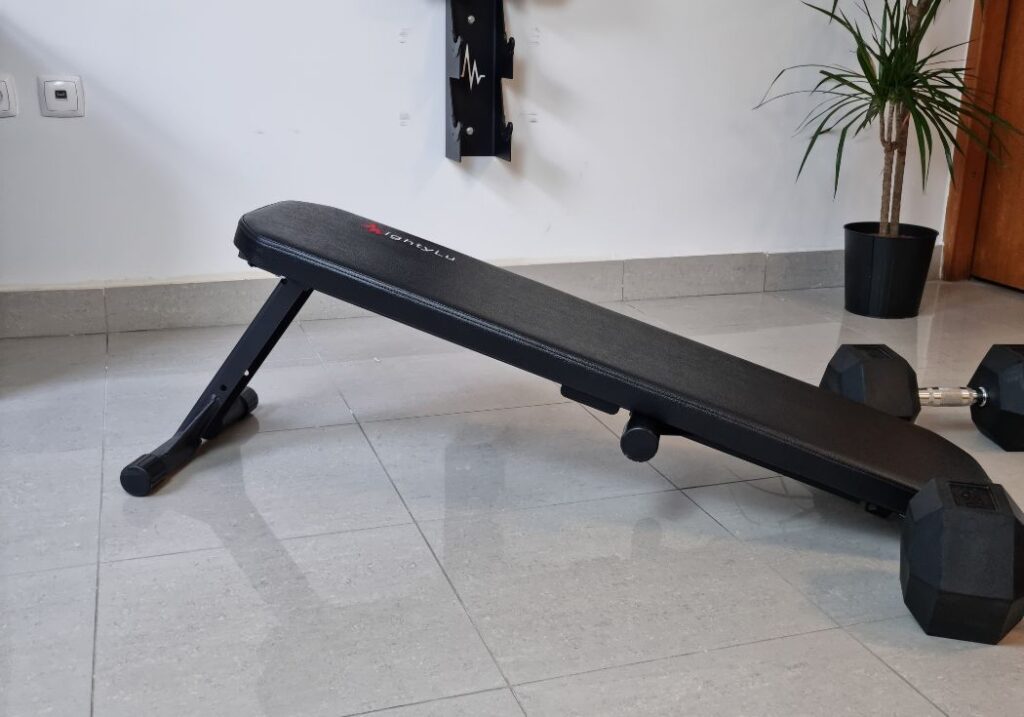
3. Add Support if Needed: If your bench feels unstable, place weight plates or other sturdy objects under the folded end to provide additional support and prevent wobbling.
4. Protect Your Floor: To avoid damaging your flooring, place a rubber mat or padding under the bench, especially under the area where the bench contacts the floor directly.
What If You Have a Fixed Flat Weight Bench?
If your bench doesn’t have foldable legs, you can still create an incline:
-
Use Weight Plates: Place weight plates under one end of the bench to elevate it. Ensure the plates are stable and won’t slip during your workout.
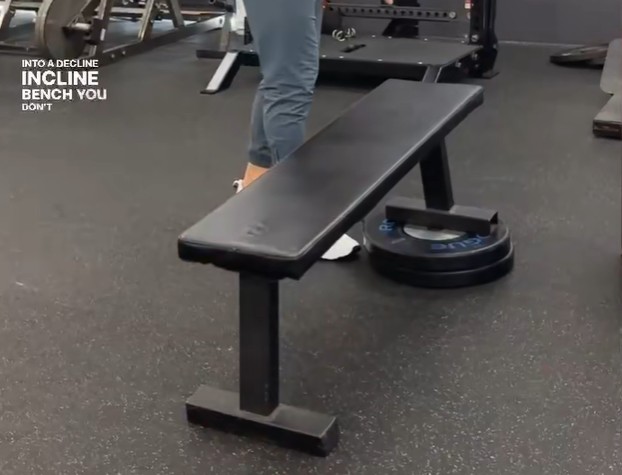
Be Cautious: Avoid creating too steep of an incline, as this can put undue stress on the bench’s structure and potentially lead to damage or injury.
If you’re still comparing different models or planning your setup, our foldable weight bench buying guide walks you through the most important factors — stability, height, folded size, and real-world usability — so you can choose the right bench for your home gym.
DIY Incline Bench Safety Tips
Test Before Use: After setting up your makeshift incline bench, test it with light weights to ensure stability.
Avoid Overloading: Don’t exceed the bench’s weight capacity, especially when it’s modified.
Regular Checks: Periodically inspect your bench for any signs of wear or instability.
A simple routine before you load the bench: sit on it and shift your weight from side to side, then press down on the raised end. If anything rocks, slides or creaks, fix the support first. Make sure any plates or blocks under the bench sit flat on a level, non-slip surface, and check the setup again whenever you move the bench.
Which exercises can you do on a DIY incline bench?
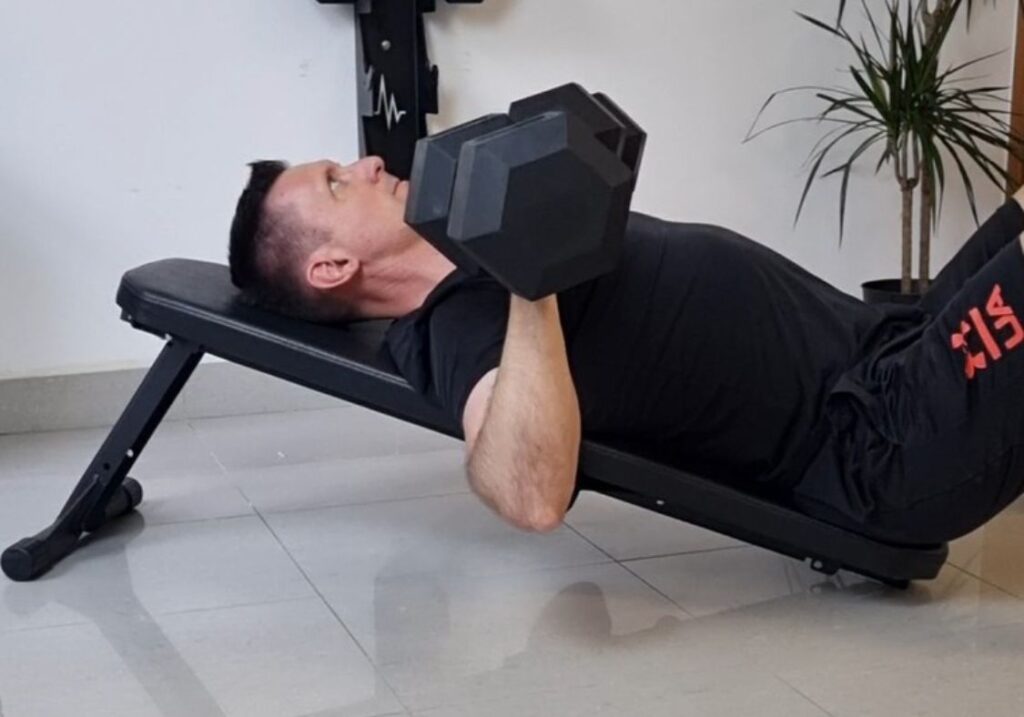
A stable incline lets you add incline presses and other upper chest exercises to the flat work you already do. If you train with dumbbells, our article on dumbbell chest press variations on a weight bench shows how to combine flat and incline pressing, and our home chest workout puts them into a full session.
Conclusion
Converting your flat foldable weight bench into an incline bench is a cost-effective way to enhance your home workouts. With a few simple adjustments, you can perform a variety of incline exercises without needing additional equipment — just make sure your setup is always stable and secure before each use.
Frequently Asked Questions
On a foldable bench, fold one set of legs, preferably the front, and keep the other set extended so the bench tilts. On a fixed flat bench, place stable weight plates under one end. Check that it does not wobble and test it with light weights first.
It is only as safe as your setup. Make sure the bench is stable, add sturdy support under the folded end if it wobbles, avoid a too-steep incline and never exceed the bench’s weight capacity.
Place weight plates under one end of the bench to raise it, making sure the plates are stable and cannot slip during your workout. Keep the incline moderate so you do not put undue stress on the bench.
Flat benches typically offer more stability, have fewer moving parts so they tend to last longer, are generally more affordable and are easier to store, especially foldable models. Their main drawback, the missing incline, can be solved with a stable DIY setup.
A flat foldable bench is the most versatile starting point for a small home gym: it covers flat presses, step-ups and dumbbell rows every day and, with a stable DIY setup, incline presses too – all in a training area of less than 4 m² together with your dumbbells.
The MightyRock foldable weight bench used in this guide is a patented flat bench with 5 mm steel legs and a 2 mm steel frame, rated for 500 kg (user + weights), delivered fully assembled and only 9.5 cm high when folded.