

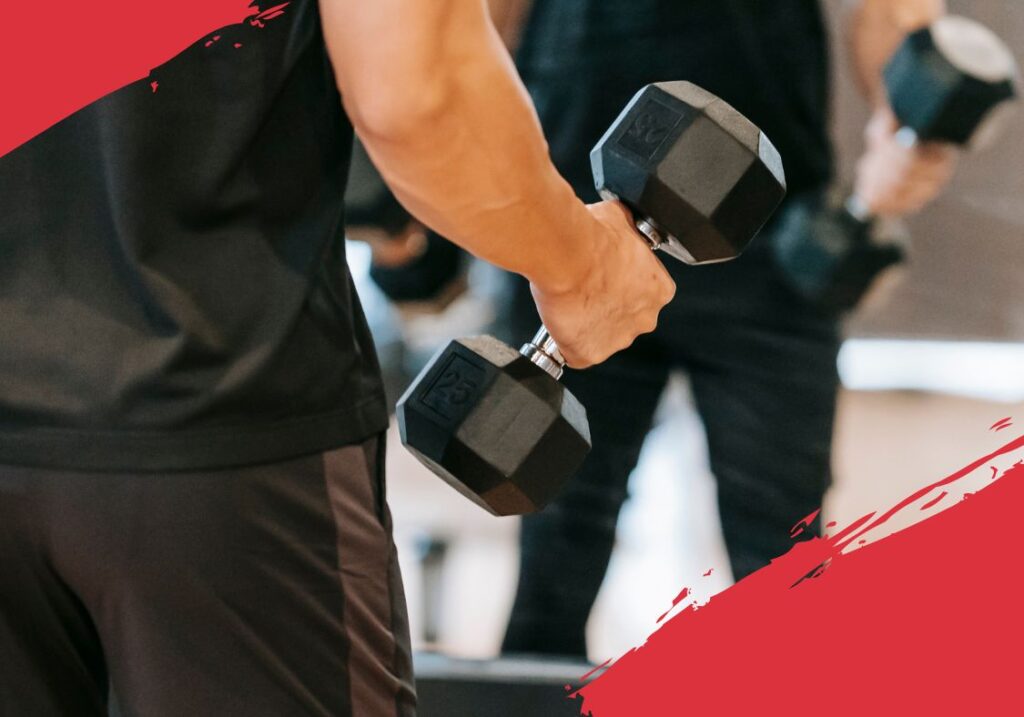
If you’re setting up your own home gym, one of the smartest and most versatile investments you can make is a good set of dumbbells. But while choosing between types—fixed, adjustable, rubber-coated, and so on—can be challenging enough, one question often remains even after you’ve made the decision:
What dumbbell weights should I buy?
Let’s face it: stocking your home with every possible weight from 1 kg to 40 kg isn’t realistic for most of us. Space is limited, and so is the budget. So how do you choose the right dumbbell weights to get the most out of your training and continue progressing?
As someone who has trained at home for years, I’ve been through this exact dilemma. In this guide, I’ll help you figure out which weights you should choose depending on your training goals, your fitness level, and how much space and money you’re working with.
Types of Dumbbells You’ll See on the Market
Before diving into weight selection, let’s do a quick recap of the types of dumbbells you’ll commonly find—especially if you’re new to building a home gym.
Based on Construction:
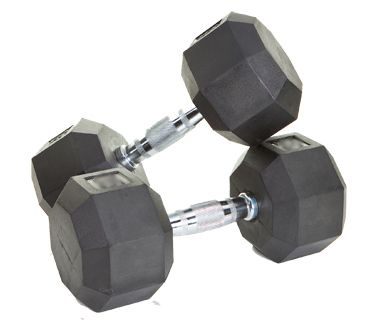
Fixed Dumbbells
These are what most people think of when they hear “dumbbell.” They come in different shapes (often hexagonal or cylindrical) and weights, and there’s no changing them—what you see is what you lift.
2. Adjustable Dumbbells (Manual)
These let you manually load or remove weight plates on a bar. They’re usually secured with a spin-lock or clamp system and are a good budget-friendly option if you’re okay with adjusting them between sets.

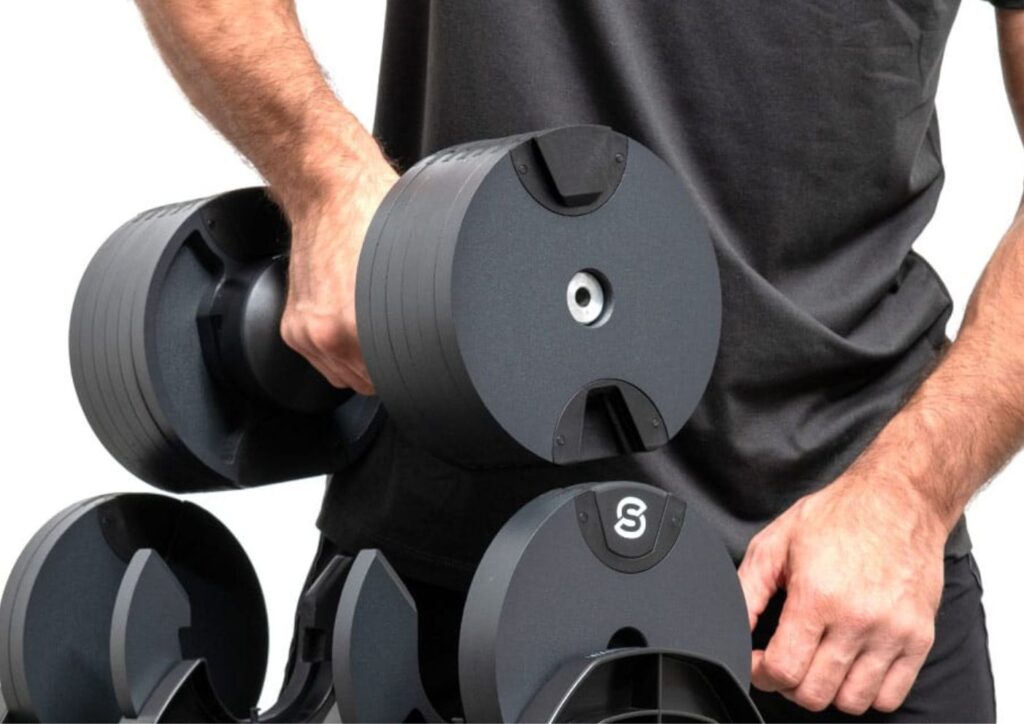
3. Selectorized Adjustable Dumbbells
These are higher-end dumbbells that allow you to switch weights quickly with a dial or pin mechanism. They save space and time, though they can be pricier.
Based on Material:
Rubber-coated Dumbbells (TPU or CPU types)
Vinyl Dumbbells
Neoprene Dumbbells
Cast Iron Dumbbells
Steel Dumbbells
Each has its pros and cons, but for most home workout setups, rubber-coated or cast iron dumbbells strike a good balance between durability and price.
How to Choose Dumbbell Weights Based on Your Training Goals
Let’s move on to the real question: which dumbbell weights should you get?
To make this easier, we’ll limit our setup to 4 pairs of dumbbells, which is a common constraint due to space and budget. I’ll also suggest a 5th optional pair if you’re able to stretch your investment a bit further.
I’ve broken this down by training goals and experience levels—for both women and men.
1. Dumbbell Weights for Building Muscle at Home

If your main goal is to build muscle mass, you’ll need heavier dumbbells for compound movements like Bulgarian split squats, dumbbell bench presses, and rows. However, you’ll also want at least one lighter pair for isolation exercises like bicep curls or lateral raises.
Women:
High Fitness Level:
8 kg
12.5 kg
15 kg
20 kg
Optional 5th pair: 17.5 kg (for heavier compound lifts) or 4 kg (for isolation work)
Moderate Fitness Level:
4 kg
10 kg
12.5 kg
17.5 kg
Optional: 8 kg or 15 kg depending on your focus
Beginner Level:
4 kg
8 kg
12.5 kg
15 kg
Optional: 10 kg for more challenging compound lifts
Men:
High Fitness Level:
12.5 kg
15 kg
25 kg
35 kg
Optional: 30 kg or 8 kg
Moderate Fitness Level:
10 kg
15 kg
22.5 kg
27.5 kg
Optional: 8 kg or 25 kg
Beginner Level:
8 kg
12.5 kg
15 kg
20 kg
Optional: 17.5 kg or 4 kg for isolation
Why this selection matters:
If you’re pressing 25 kg dumbbells for 10 reps, switching to something lighter just for the sake of variety won’t stimulate growth. Focus on progressive overload for big lifts, and use lighter dumbbells for targeted isolation. You can also combine certain weights with a dumbbell-to-barbell converter (like the one we offer) to perform Romanian deadlifts or Bulgarian squats with even greater load.
2. Dumbbell Weights for Strength and Conditioning

This kind of training focuses on full-body movements and keeps the pace high. You’ll want medium weights here—not too heavy to limit range of motion, but not too light to remove the challenge.
Women:
High Fitness Level:
8 kg
10 kg
12.5 kg
15 kg
Optional: 17.5 kg or 4 kg (for plyometric moves)
Moderate Fitness Level:
4 kg
8 kg
10 kg
15 kg
Optional: 12.5 kg
Beginner Level:
4 kg
8 kg
10 kg
12.5 kg
Men:
High Fitness Level:
10 kg
15 kg
22.5 kg
27.5 kg
Optional: 30 kg or 8 kg for explosive lifts
Moderate Fitness Level:
10 kg
12.5 kg
17.5 kg
22.5 kg
Optional: 8 kg or 20 kg
Beginner Level:
4 kg
10 kg
12.5 kg
15 kg
Optional: 17.5 kg or 8 kg
Why this selection matters:
You’re working in higher rep ranges here, often with little rest, so medium dumbbells offer a balance between intensity and safety. Plyometric exercises with dumbbells also demand a bit of control, so keep a lighter pair on hand just in case.
3. Dumbbell Weights for Occasional Home Workouts
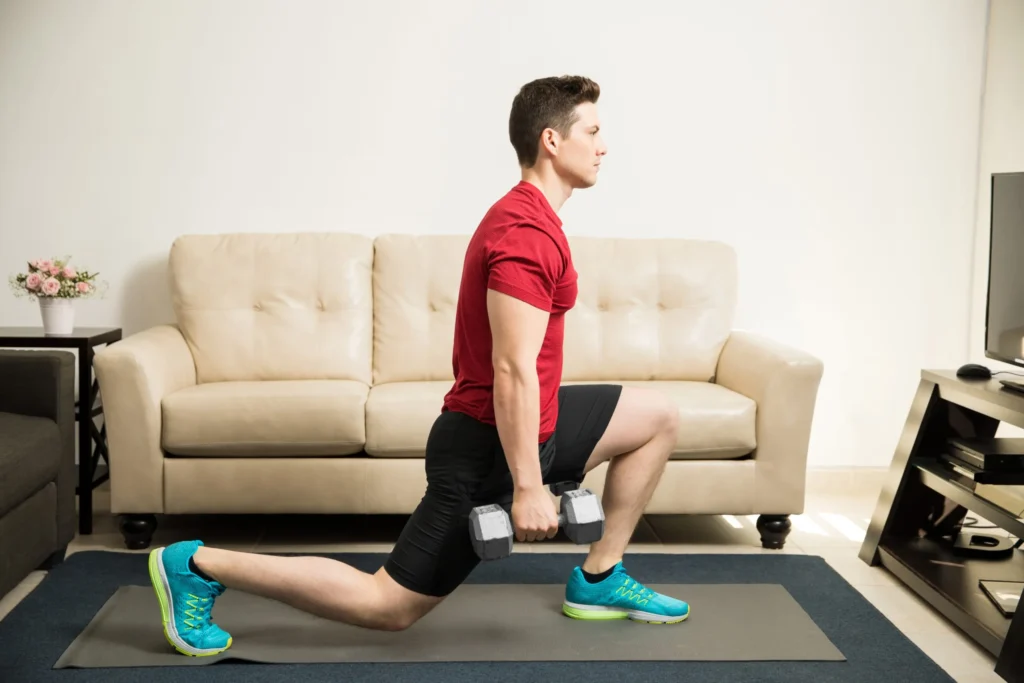
Maybe you usually hit the gym, but some days you just don’t have time. Having a few pairs of dumbbells at home lets you get in a quick 20-minute session that hits the major muscle groups and keeps you on track.
For this setup, three pairs of dumbbells are usually enough.
Women:
High Fitness Level:
8 kg
12.5 kg
20 kg
Moderate Fitness Level:
8 kg
10 kg
15 kg
Beginner Level:
4 kg
8 kg
12.5 kg
Men:
High Fitness Level:
10 kg
17.5 kg
27.5 kg
Moderate Fitness Level:
10 kg
15 kg
22.5 kg
Beginner Level:
4 kg
10 kg
15 kg
Why this selection matters:
You don’t need a full gym to maintain your progress. A couple of compound movements like dumbbell squats, presses, or rows—paired with some isolation work for arms and shoulders—can go a long way in just 15–30 minutes.
Final Thoughts
When it comes to building a smart and space-saving home gym, dumbbells are king. But not all setups are created equal.
The best dumbbell weights for your home workout depend on what you want to achieve. Whether you’re chasing hypertrophy, building strength and endurance, or just looking to stay consistent on busy days, choosing the right mix of dumbbell weights is essential.
My advice? Don’t just buy the heaviest dumbbells you can lift or the cheapest set you find. Think about your fitness goals, your current level, and the kind of training you enjoy—and then build your dumbbell collection around that.
And remember, it’s not about having every weight available. It’s about using what you have with purpose and consistency. That’s how progress is made in a home gym—one smart decision at a time.
 English (UK)
  Hrvatski
  Deutsch